
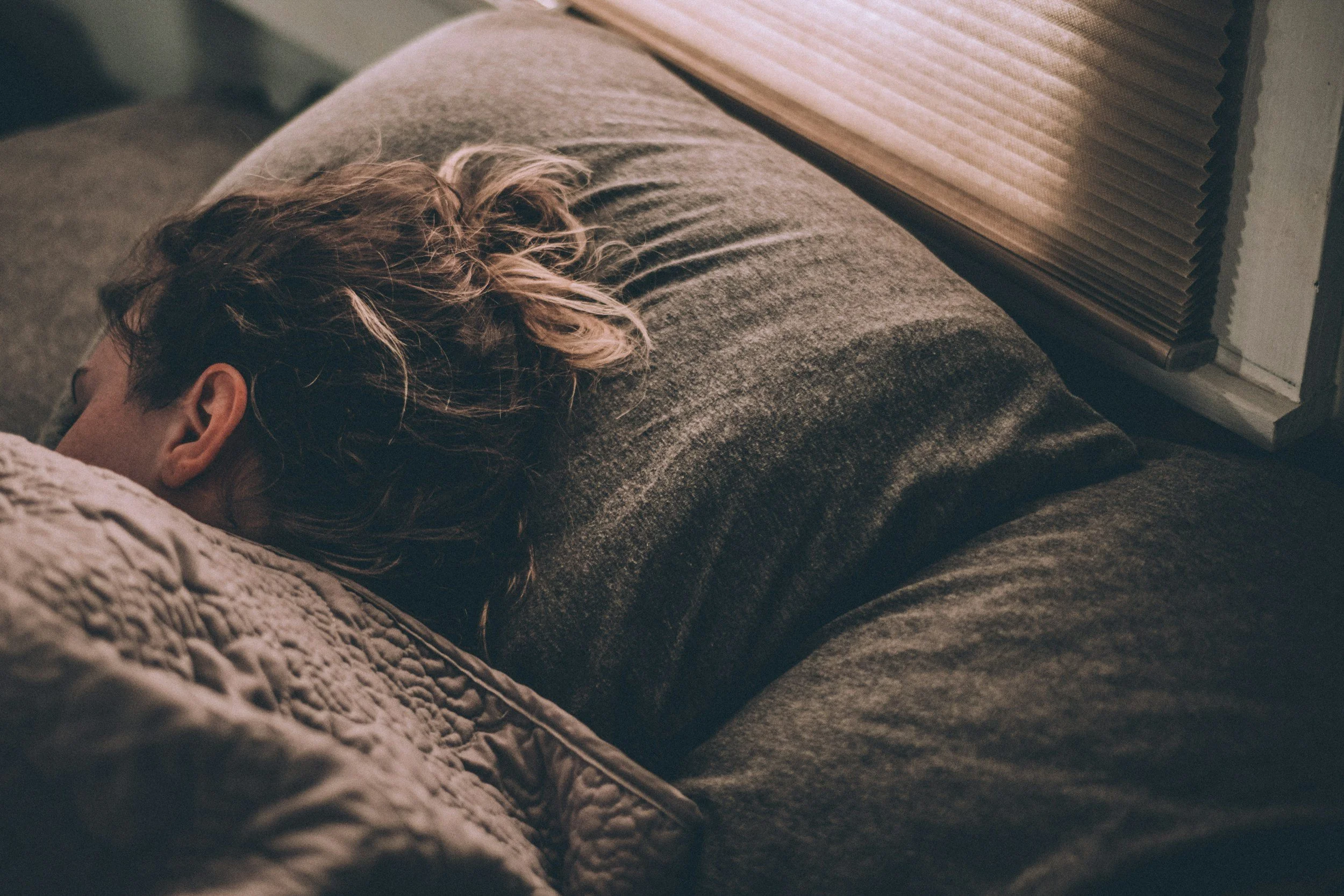
If you fall asleep without much trouble but find yourself wide awake around 3 a.m., often warm, restless, or with your mind already running through the next day, you’re far from alone. Sleep changes are one of the first things many women mention when they come to see us, often before they’ve connected those changes to their hormones. With the clocks falling back this month, it’s easy to blame the time change, but when your sleep has been shifting for months, it’s worth taking a closer look.
What Perimenopause Does to Your Sleep
Perimenopause is the transition leading up to menopause, and for many women it begins in their 40s, sometimes as early as the late 30s. Menopause is officially reached after 12 months in a row without a period, and the years before it can bring hormone levels that rise and fall from week to week. Progesterone, which has a naturally calming effect and supports deeper sleep, often drops first as ovulation becomes less regular. Estrogen helps regulate body temperature, so as it fluctuates, hot flashes and night sweats can pull you out of deep sleep without fully waking you, which is why you can stay in bed all night and still wake up tired.
Why the Bigger Picture Matters
Hormones are often part of the story, but they’re rarely the whole story. Thyroid changes become more common as women age, low iron stores are linked to restless legs, and sleep apnea becomes more likely after menopause, often showing up in women as fatigue, morning headaches, and frequent waking rather than loud snoring. Stress and blood sugar swings can also wake you in the early morning hours. A thoughtful evaluation that looks at your symptoms, health history, and the right lab work helps sort out what’s really going on before any plan is made.
Small Changes That Can Help
Keeping a steady wake-up time, even on weekends, can do more to anchor your body clock than a consistent bedtime. A few minutes of morning daylight may help reset your rhythm, especially right after the time change, and a cooler bedroom in the mid-60s with breathable bedding can make night sweats easier to manage. It can also help to keep caffeine to the morning and take a second look at evening wine, since alcohol tends to break up sleep later in the night and can trigger hot flashes. For insomnia that has lasted a while, cognitive behavioral therapy for insomnia, known as CBT-I, is considered a first-line treatment.
When It’s Time for More Support
If night sweats, anxiety, or early waking are affecting your mood, your energy, or your relationships, you deserve more than being told to try chamomile tea. For many women, hormone therapy is the most effective option for hot flashes and night sweats, and better sleep often follows. It isn’t the right fit for everyone, which is why it should be based on your personal history, your labs, and an honest conversation about your goals. Casey started Grace Vitality & Wellness after navigating her own hormone changes in her late 30s, so she understands how exhausting it is to feel unlike yourself.
If your sleep has changed and you’re ready for answers, we’d love to hear what’s going on. You can book your initial consult online or call us at (980) 357-0640, and we’ll see you at our Lincolnton office or virtually anywhere in North and South Carolina.
This blog is for general educational purposes only and is not medical advice. Every person’s body and health history is different, so please talk with a qualified healthcare provider about your specific symptoms and treatment options before making changes to your care. Reading this blog does not create a provider-patient relationship. If you are experiencing a medical emergency, call 911.
